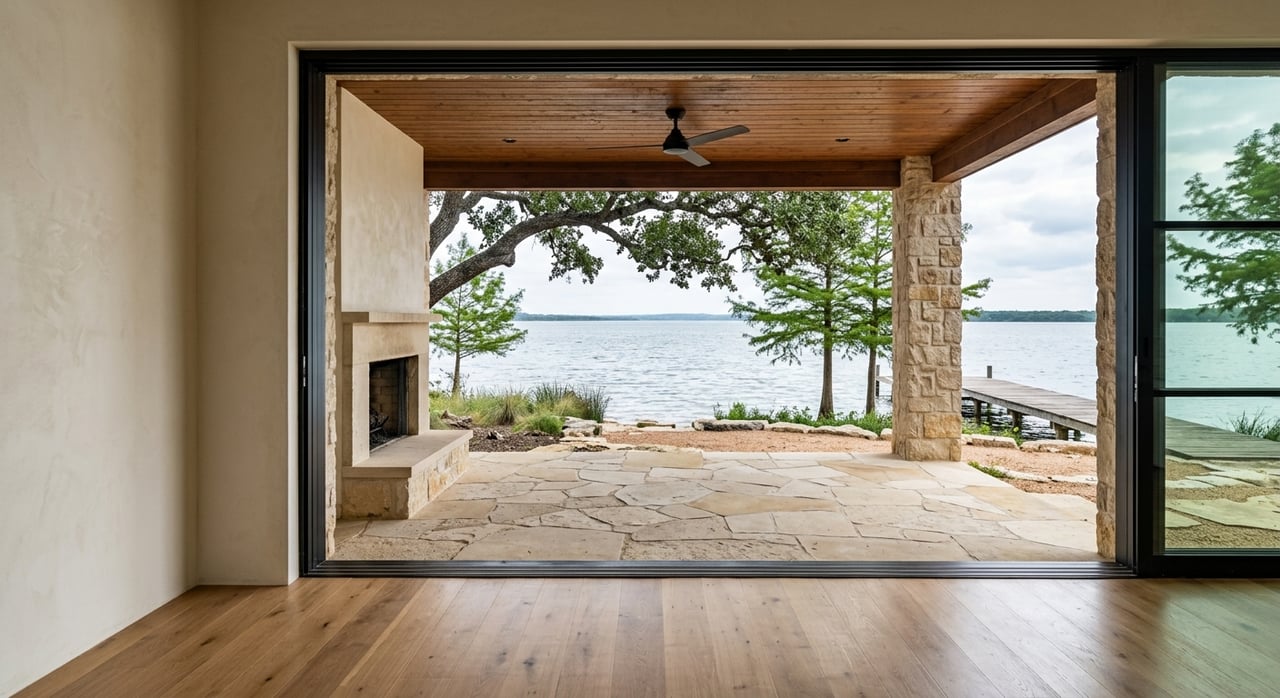
Choosing Ranch Or Lakefront Property In Burnet County
June 4, 2026
June 4, 2026
Are you drawn to wide-open acreage or a place right on the water? In Burnet County, that choice is about much more than scenery. The right fit depends on how you want to use the property, what kind of upkeep you can handle, and which local rules will shape ownership. If you are trying to decide between ranch land and lakefront property, this guide will help you compare the real tradeoffs with confidence. Let’s dive in.
In Burnet County, choosing between a ranch and a lakefront property is mostly a land-use decision. A ranch usually supports privacy, acreage, livestock, horses, and agricultural use. A lakefront property is more closely tied to recreation, shoreline access, and water-level conditions.
That difference matters because ownership looks very different after closing. Burnet County’s development rules for unincorporated areas cover issues like platting, roads, drainage, floodplain development, and on-site sewage facilities. For buyers, that means you are not just comparing views and square footage. You are also comparing two distinct ownership models.
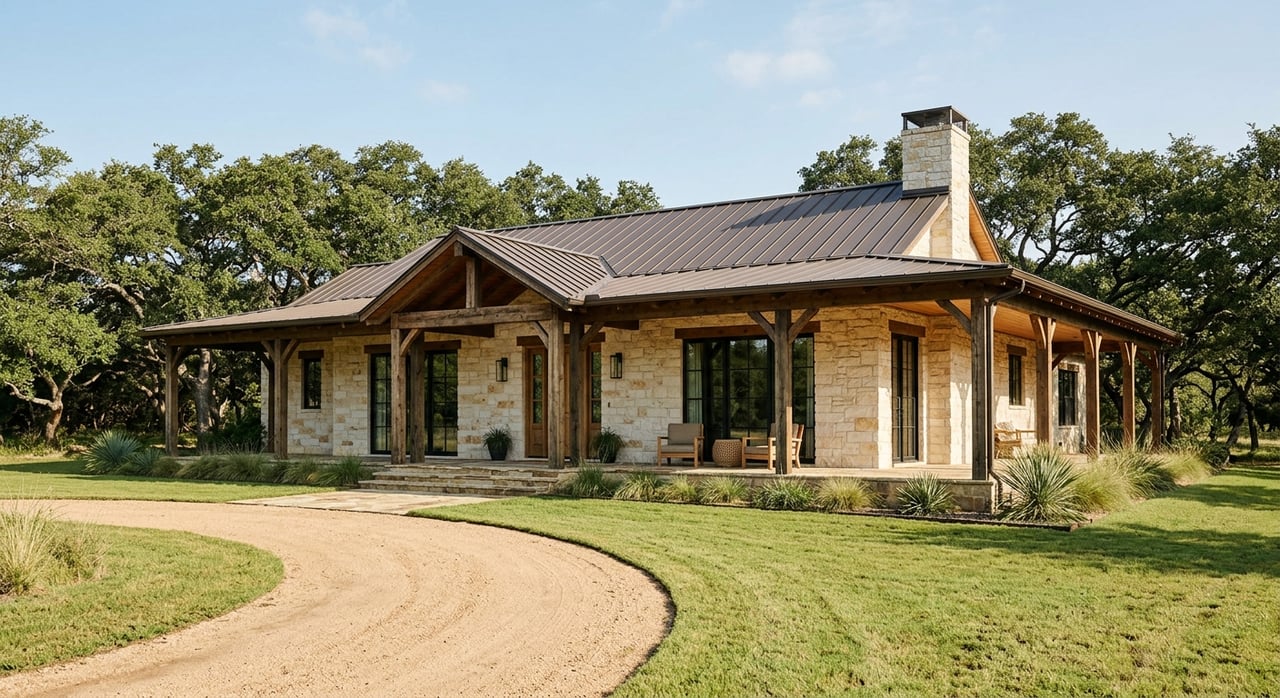
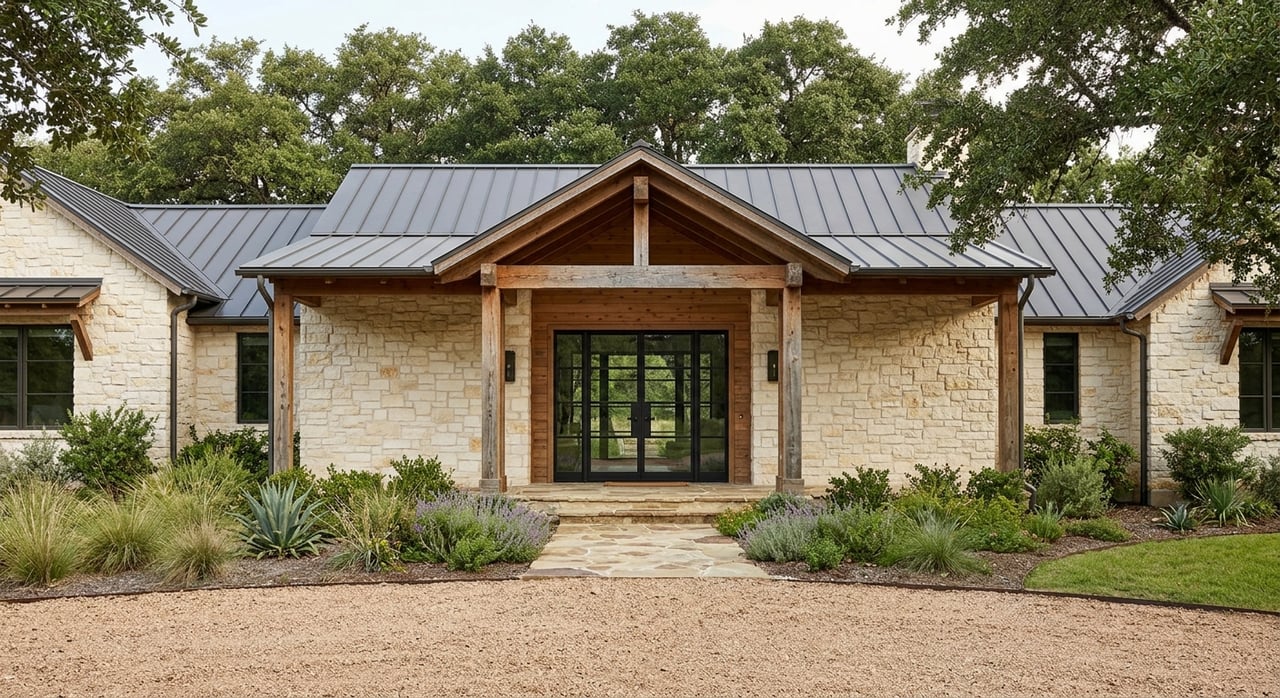
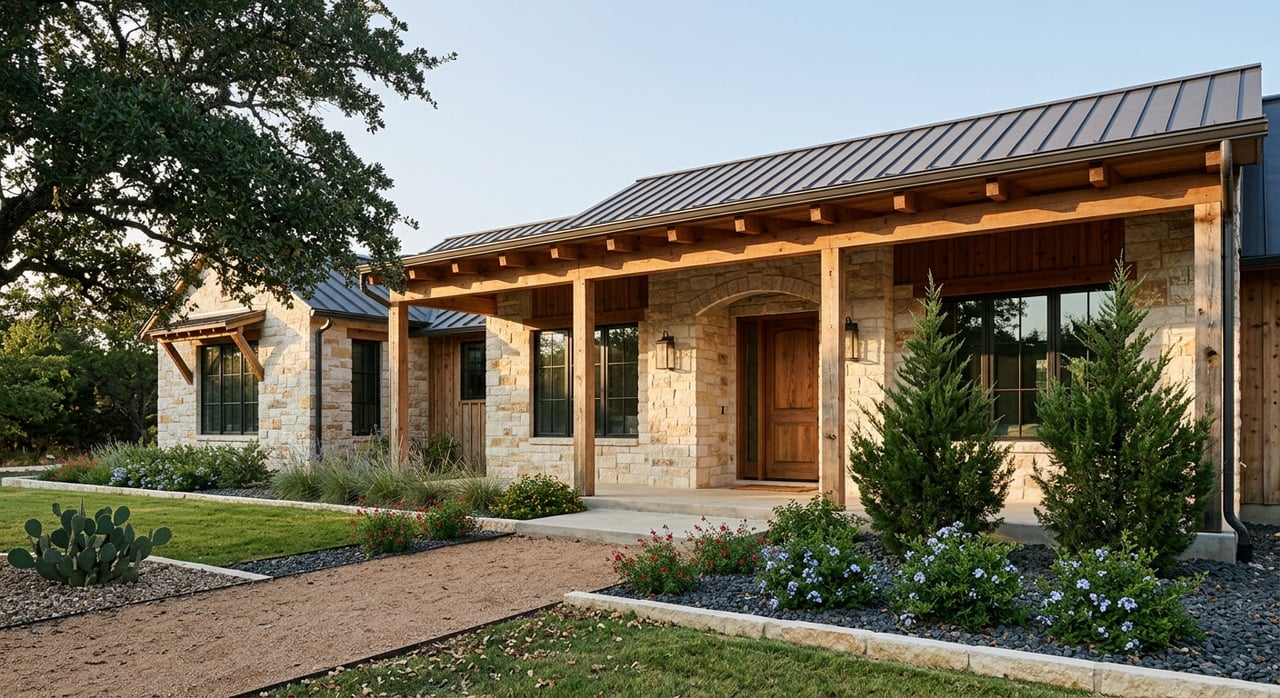
A ranch is often the better match if you want room to spread out and more control over how the land is used. Buyers looking for livestock, horse use, hay production, orchards, vineyards, beekeeping, or wildlife management may find that ranch land aligns more closely with their goals. In Burnet County, those uses are not just lifestyle choices. They can also affect how the property is appraised for tax purposes.
Burnet CAD recognizes several agricultural uses when they meet local intensity standards. For grazing, the county’s guidelines say a typical level is 1 animal unit per 15 to 30 acres. If you are considering land for agricultural use, this standard can be an important early checkpoint.
Another major draw is the possibility of agricultural appraisal. The Texas Comptroller states that qualifying land is taxed based on productivity rather than market value, but the land must be currently devoted principally to agriculture or timber and generally have been used that way for at least five of the past seven years. Burnet CAD also requires supporting documentation in some cases, such as a current lease agreement if the land is leased, and a change in use can trigger rollback tax.
Ranch ownership can offer flexibility, but it also brings steady hands-on responsibility. In Burnet County, that often includes fence work, water sources, grazing management, brush control, roads, and septic or floodplain considerations. These items may not show up in listing photos, but they shape the day-to-day ownership experience.
That is why a ranch purchase works best when your intended use is clear from the beginning. If you want the property to support livestock, agricultural leasing, or long-term land stewardship, those goals should guide your search. A beautiful tract can still be the wrong fit if the layout, infrastructure, or land-use history does not match how you plan to use it.
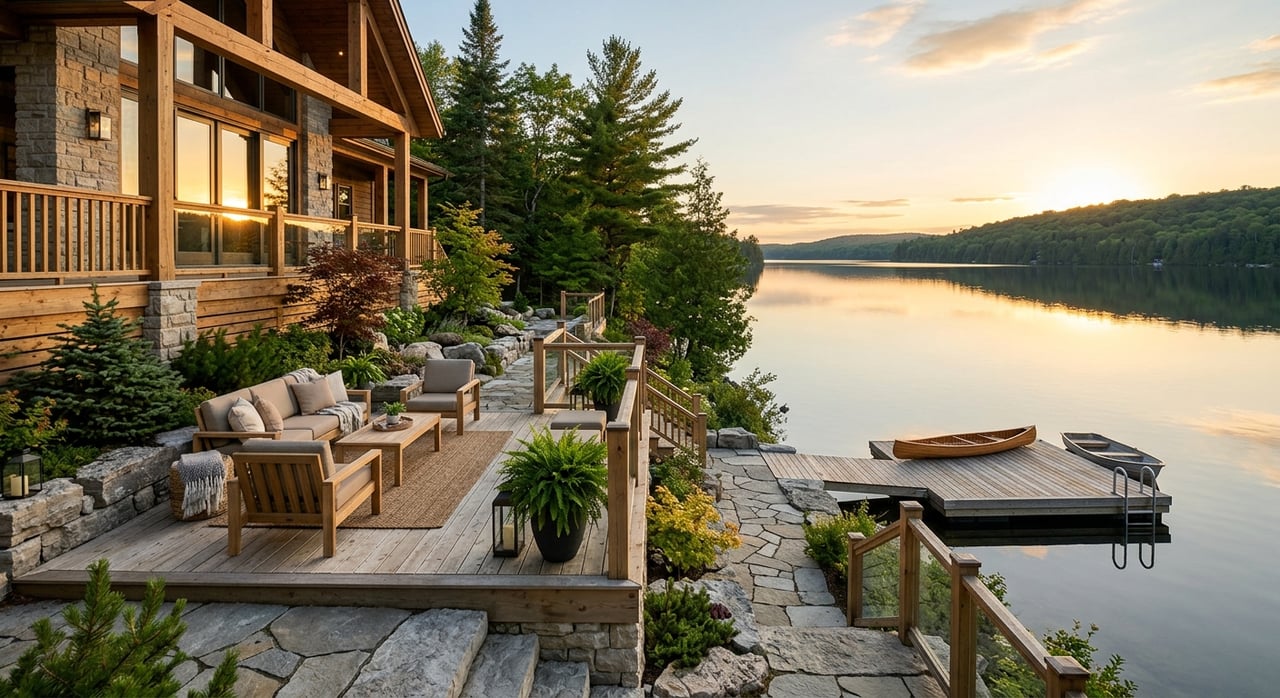
Lakefront ownership in Burnet County is usually about recreation and access first. The Highland Lakes system gives buyers a chance to enjoy swimming, boating, and time on the water. If your ideal weekends involve a dock, a boat, and easy shoreline access, lakefront property may feel like the natural choice.
Burnet County buyers may focus on Lake Buchanan, Inks Lake, Lake LBJ, or Lake Travis. Each offers a different ownership experience because lake levels and shoreline conditions are not identical across the system. That is one reason a lakefront purchase should be evaluated with more than the view in mind.
One of the biggest realities of lakefront ownership here is water-level variability. According to LCRA, none of the Highland Lakes are constant-level lakes. Lake Buchanan and Lake Travis are designed to fluctuate, while Inks Lake and Lake LBJ generally operate in a smaller range but can still change, especially during floods.
This affects more than the look of the shoreline. It can influence dock access, boating convenience, and whether nearby public ramps are usable during lower lake levels. If direct water access is high on your priority list, this is one of the most important differences between ranch and lakefront ownership in Burnet County.
Lakefront ownership also comes with rules that ranch buyers usually do not face. LCRA requires residential docks on Lake Buchanan, Inks Lake, Lake LBJ, Marble Falls, and Lake Travis to meet safety standards. It also sets lake-specific maximum distances from shore, including 150 feet on Lake Buchanan, 35 feet on Inks Lake, and 50 feet on Lake LBJ.
For many residential docks of 1,500 square feet or less, LCRA does not require permits or fees. Marinas do require permits. Certain lakebed-clearing work on Buchanan or Travis can also require notification and possibly a permit through LCRA or the Army Corps, depending on the work involved.
These rules do not mean lakefront ownership is difficult. They do mean you should approach it with clear expectations. If your plan includes upgrading a dock, improving shoreline access, or preparing the property for regular boating use, those details deserve attention early in the process.
Both property types require maintenance, but the work is different.
If you want more predictable land control, a ranch may feel more stable. If you value direct water recreation and are comfortable with shoreline management, lakefront may offer the lifestyle you want.
For land-based income, ranch property usually has the clearer path in Burnet County. Burnet CAD’s framework directly recognizes qualifying agricultural uses, and grazing leases can fit within that structure when local standards are met. The county also tracks lease details and updates income and expense information on approved ranches.
Lakefront property can have income potential too, but it is more location-sensitive. Texas defines a short-term rental as a residential rental of 29 days or less, and the state hotel occupancy tax must be collected and remitted for all short-term rentals in Texas. Depending on where the property is located and how it is classified, local hotel occupancy tax requirements may also apply through Burnet County or the City of Burnet.
In the City of Burnet, short-term rentals are prohibited unless the property has the STR overlay. That means you should not assume a lakefront home can be used for short-term rental income just because it is on the water. Local rules matter, and they can change the value of a property for your intended use.
The best choice usually comes down to how you expect to use the property every week, not just how it looks online. A ranch may be the better fit if you want privacy, room for animals, agricultural use, or a property that supports long-term land stewardship. A lakefront home may be the better fit if your top priorities are boating, swimming, and direct access to the Highland Lakes lifestyle.
A few questions can help clarify your direction:
In Burnet County, neither option is better in every case. The strongest choice is the one that fits your daily use, long-term goals, and comfort level with the responsibilities that come with ownership.
If you are weighing ranch land against lakefront property in Burnet County, local context matters. Working with a trusted local advisor can help you look beyond the listing photos and focus on the details that shape long-term value. When you are ready to explore your options, connect with Shipley Ranches.
Stay up to date on the latest real estate trends.

Ready to buy or sell in the Texas Hill Country? Connect with Jim Banks for expert guidance, strategic marketing, and results-driven representation tailored to your ranch or luxury property.