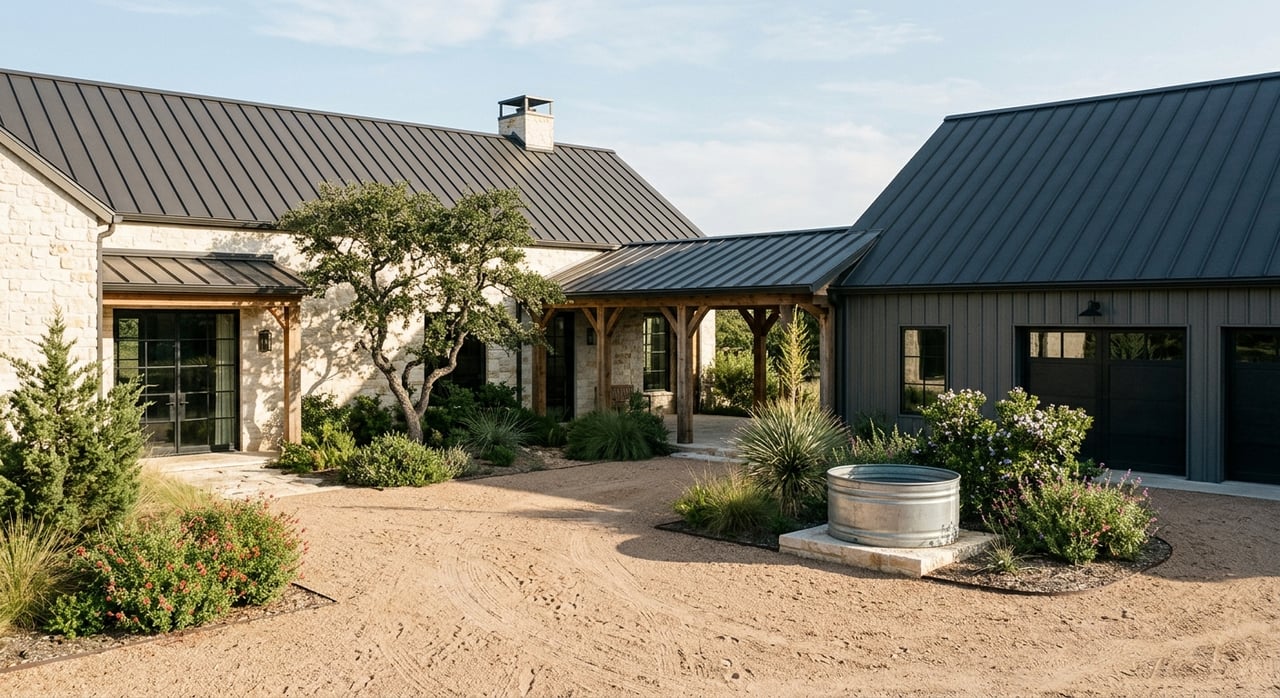
Planning A Legacy Ranch Purchase In Lampasas County
June 11, 2026
June 11, 2026
A legacy ranch purchase is about more than finding beautiful acreage. If you are buying in Lampasas County, you are also planning for taxes, water, access, improvements, and how the land will serve your family for years to come. Done well, that planning can protect both your enjoyment and your long-term value. Let’s dive in.
When you buy a ranch as a legacy property, your intended use matters from day one. In Texas, local governments set and collect property taxes, and qualified agricultural or open-space land may be appraised on productivity value instead of market value. That can make a major difference in carrying costs.
Your plan for the land should match the way the property is appraised. If the ranch later changes to a non-agricultural use, you may owe rollback tax for the prior three years of lower-taxed use, plus interest in some cases. That is why your ownership goals should be clear before you close.
If your family is focused on stewardship, wildlife management may be part of the conversation. In Texas, land must already be appraised as agricultural or timberland before it can convert to wildlife management, and the primary use must truly be wildlife management. The landowner must also carry out at least three qualifying practices, such as habitat control, erosion control, predator control, supplemental water, supplemental food, shelter, or wildlife census counts.
For buyers in Lampasas County, the county appraisal district should be part of your due diligence, not just something you think about after closing. Lampasas CAD publishes current agriculture, wildlife, and timberland materials, including manuals, intensity standards, land values, and special valuation guidelines. It also accepts applications by mail, email, or drop box.
That local guidance can help you verify how the property is currently appraised and what may be required to maintain that status. If you are purchasing a ranch with the goal of keeping it intact for the next generation, this early review can help you avoid surprises.
In Lampasas County, water is central to long-term ranch value. The county’s major underground source is the Trinity Aquifer, and the main minor aquifers include Marble Falls, Ellenburger-San Saba, and Hickory. The Marble Falls Aquifer also contributes baseflow to the Colorado River in Lampasas County.
That means water is not just a feature on a brochure. Springs, wells, recharge areas, ponds, tanks, and seasonal flows all deserve careful attention. A ranch that looks strong in a wet season may operate very differently in a dry one.
You also need to know what kind of water source you are relying on. In Texas, surface water and groundwater are treated differently. Surface water is owned by the state and generally requires permission to use unless an exemption applies, while groundwater is generally treated as landowner property but can still be regulated by local groundwater conservation district rules.
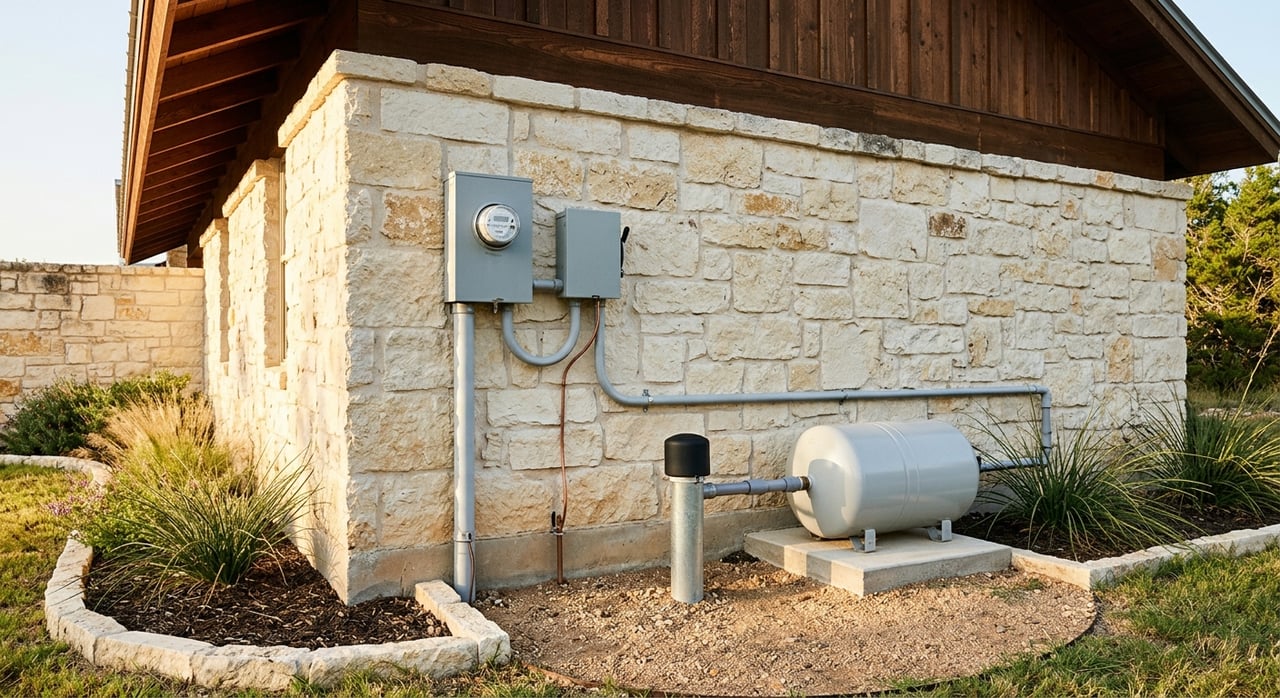
If a ranch depends on a well or may need a future domestic well, verify the rules before you buy. In Lampasas County, the Saratoga Underground Water Conservation District oversees well applications and approvals. Drilling cannot begin until an application is approved.
The district states that an exempt well must be on a parcel greater than 10 acres and incapable of producing more than 25,000 gallons per day. Other wells must be permitted by the district board. If title will be held in a trust, LLC, or another entity, the district also requires documentation showing the signer has authority to act for that entity.
That makes water planning a legal and operational issue, not just a physical one. If you are buying with a family trust or business structure, ownership planning and water planning need to line up from the beginning.
A legacy ranch should work well today and still make sense years from now. That is why access and layout deserve serious attention, especially if your family may someday divide the tract or create additional homesites.
Lampasas County subdivision regulations require metes-and-bounds descriptions certified by a Texas Registered Professional Land Surveyor. They also require easements with bearings and dimensions, roadway and easement dedication free of liens, identification of the 100-year floodplain, OSSF setbacks, and county engineer review for lots served by a well or septic system.
These rules can affect where homes, barns, guest spaces, and future building sites can go. They can also affect cost. A ranch that feels flexible at first glance may have practical limitations once survey, access, drainage, and wastewater requirements are fully understood.
Physical access is only part of the story. Recorded documents can shape your rights just as much as the land itself.
The Lampasas County Clerk maintains the county’s official public records, including deeds, deeds of trust, liens, and judgments. A careful title review should include the recorded chain of title as well as any easements or restrictions that affect the ranch.
This is especially important for legacy buyers. If you want the property to remain usable and marketable for future generations, you want a clear picture of what has been recorded against it and how that may affect access, use, and future improvements.
Before closing, septic capacity should get the same attention as water. Texas requires OSSFs to be designed from a site evaluation that accounts for local conditions, and most systems need a permit before construction, installation, repair, extension, or alteration.
Lampasas County’s OSSF order applies throughout the county, and the county states that its more stringent requirements take precedence over the corresponding TCEQ rule. In practical terms, that means local requirements can directly affect your building plans.
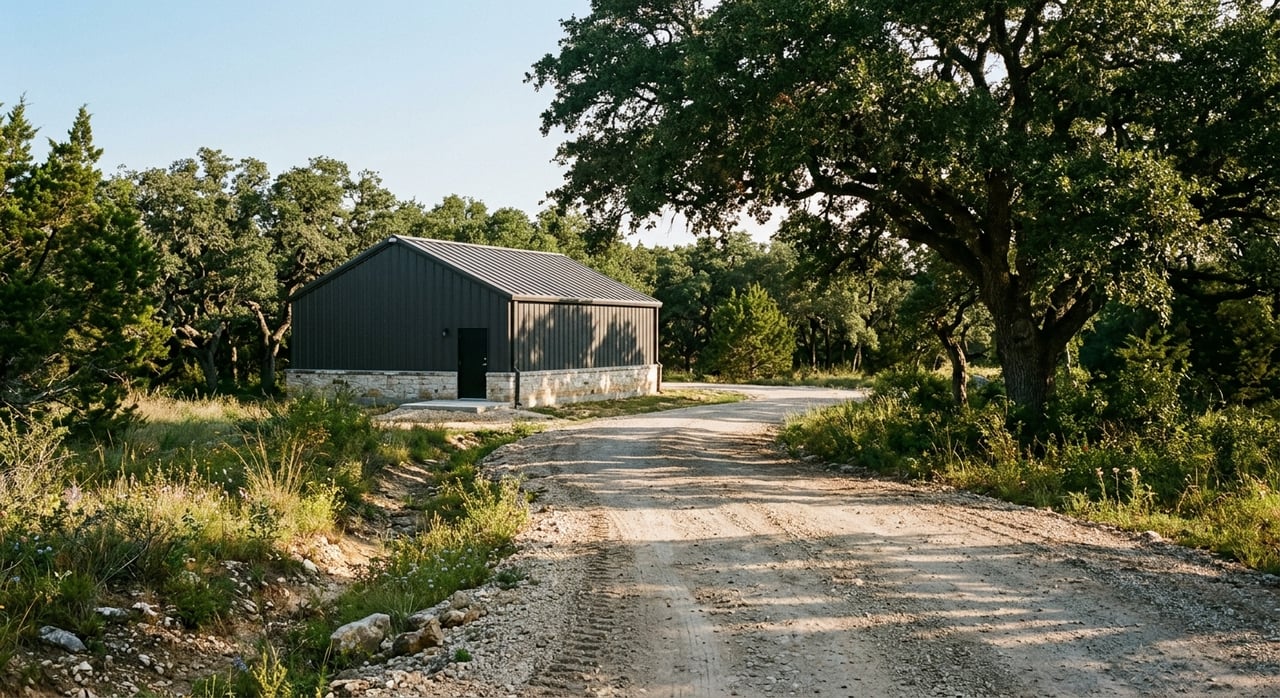
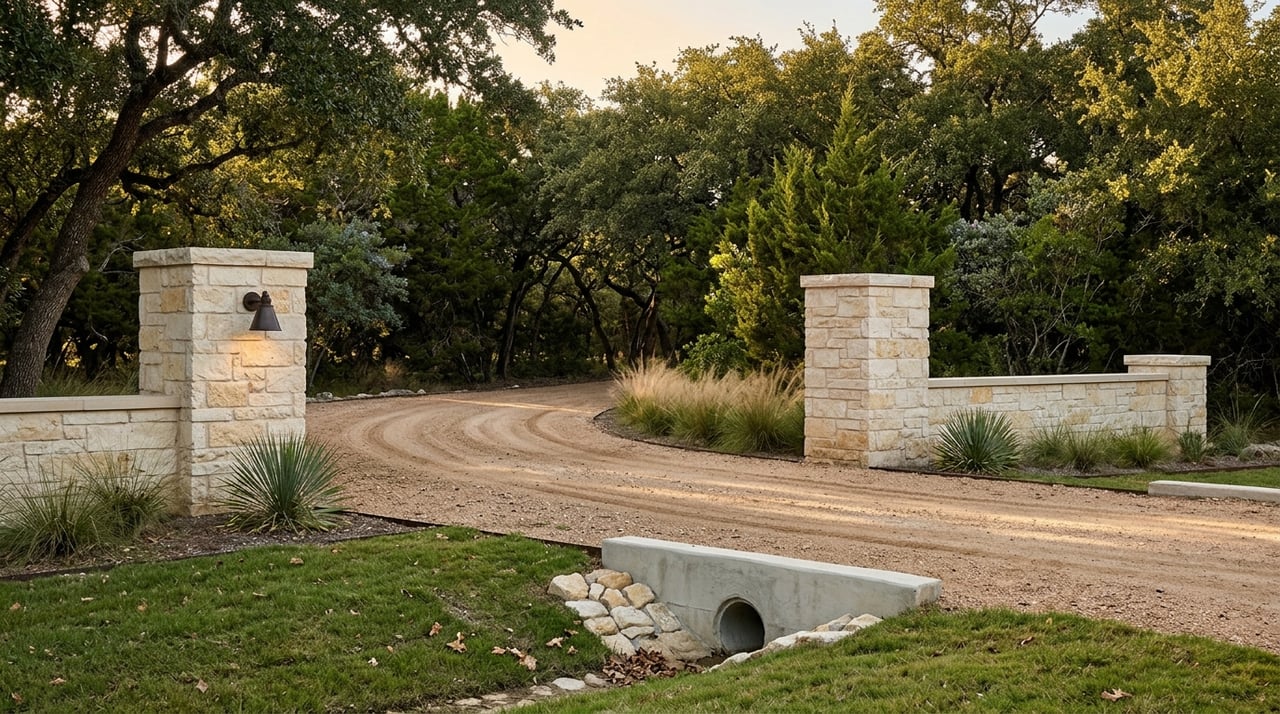
If you are thinking about a main house, guest cabin, bunkhouse, or a future family compound, these rules can shape where improvements can go and what they may cost. Internal roads, culverts, drainage easements, dead-end roads, mailbox placement, and in some subdivisions fire-suppression storage can also become part of the build plan.
A legacy ranch purchase usually calls for a stronger bench than a standard home purchase. In Lampasas County, a practical team often includes a land surveyor, a title company or real-estate attorney, a lender familiar with rural property, the county appraisal district, the groundwater district, and a septic professional.
Each person helps answer a different set of questions. The surveyor addresses boundary and plat issues, the title side reviews restrictions and easements, the lender can account for productivity appraisal and possible rollback exposure, and local regulators help define water and wastewater limits.
This kind of purchase rewards early coordination. The more aligned your team is during contract and due diligence, the easier it is to make decisions with confidence.
For multi-generational buyers, ownership structure should be settled early. If the property will be held in a trust, LLC, or another entity, that structure should match how the ranch will actually be operated and signed for.
This matters because local requirements already take ownership structure into account. The Saratoga Underground Water Conservation District requires authorization documents when the property is held by a trust, business, or LLC.
For families trying to keep a ranch intact and usable for decades, this is not just a paperwork detail. It is part of the operating plan for the property.
Timing is one of the easiest things to overlook in a ranch purchase. It can also be one of the most expensive mistakes.
The Texas Comptroller property-tax calendar lists April 30 as the last day for certain special appraisal applications or notices that property no longer qualifies for 1-d or 1-d-1 land. Wildlife-management appraisal applications must be submitted to the county appraisal district by May 1.
If you are buying a ranch with an existing agricultural or wildlife valuation, your contract timeline should leave enough room to confirm current use and prepare any needed filings. In many cases, preserving value starts with getting the paperwork sequence right.
If you want to approach a Lampasas County legacy ranch purchase with clarity, focus on these items early:
A well-bought ranch can serve as a retreat, an operating property, and a long-term family asset. In Lampasas County, that kind of success usually comes from careful planning before the deed is signed, not after.
If you are thinking about a legacy ranch purchase in Lampasas County, working with someone who understands land, water, access, and long-term stewardship can make the process far more informed. Shipley Ranches can help you evaluate ranch opportunities with the local context and disciplined guidance these properties deserve.
Stay up to date on the latest real estate trends.




Ready to buy or sell in the Texas Hill Country? Connect with Jim Banks for expert guidance, strategic marketing, and results-driven representation tailored to your ranch or luxury property.