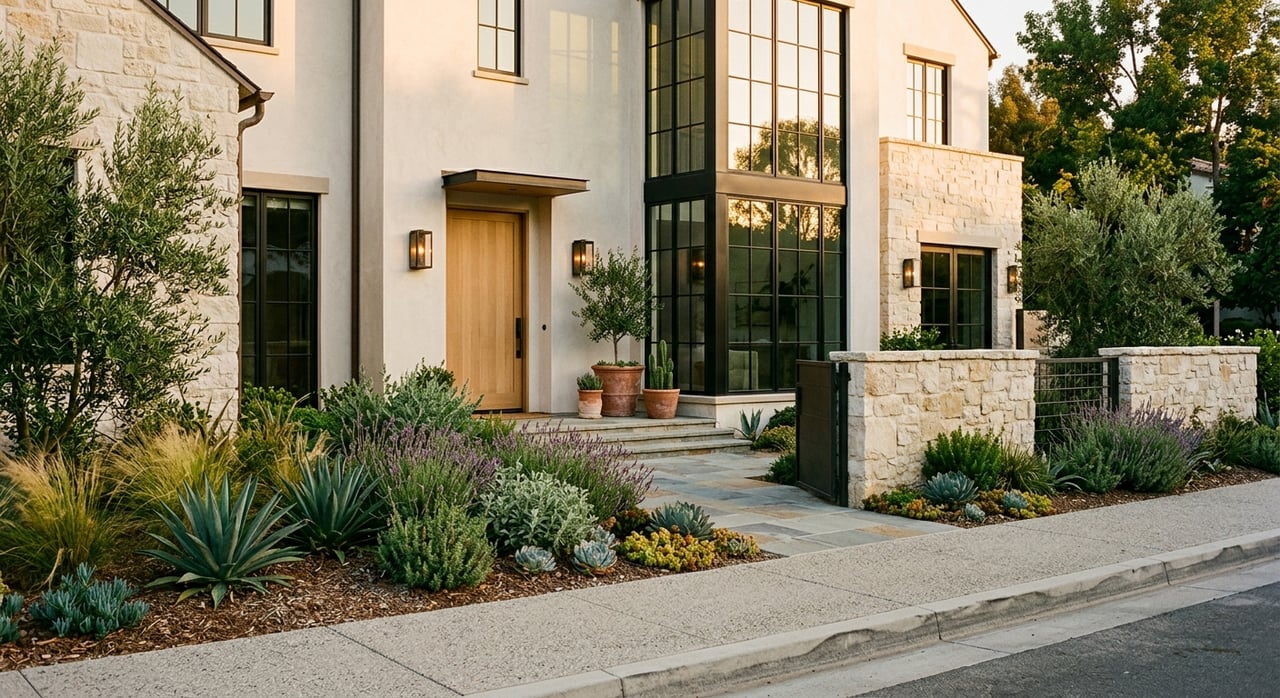
Acreage vs. Suburban Living Near San Antonio
May 21, 2026
May 21, 2026
Choosing between acreage and suburban living near San Antonio is not just about square footage. It is about how you want to live day to day, how much land responsibility you want to take on, and what kind of systems you want your home to depend on. If you are weighing homes around 78232 and looking north toward the Hill Country, this guide will help you compare utilities, upkeep, financing, taxes, and lifestyle fit so you can make a more confident decision. Let’s dive in.
In this part of Bexar County, the decision often comes down to a simple question: do you want a home inside established municipal systems, or do you want a property that works more like a small landholding?
That difference shapes far more than your address. It can affect your daily maintenance, utility setup, permit needs, financing path, and even how you think about ownership over time.
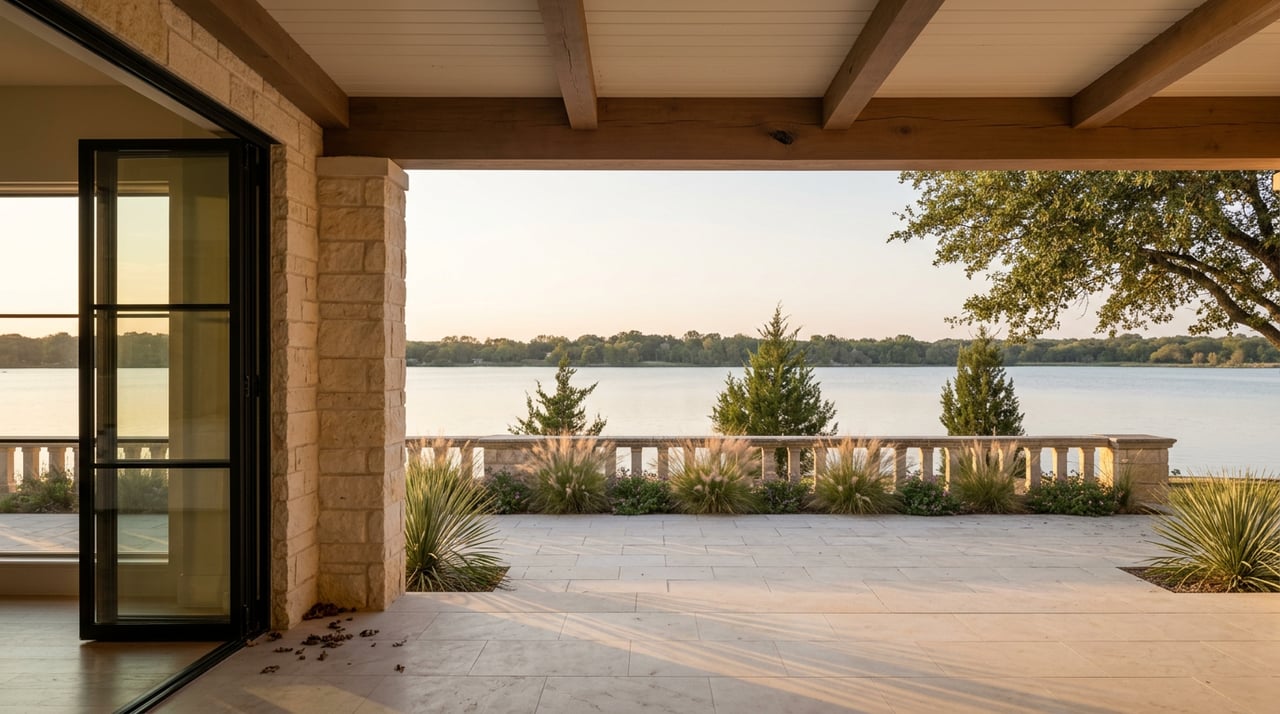
For many buyers, infrastructure is the biggest dividing line between suburban living and acreage. In a suburban setting, you are more likely to have predictable access to public utilities and a simpler day-to-day ownership experience.
SAWS says it serves 2 million people in Bexar County and that its water service area covers most of the county. CPS Energy also serves San Antonio and portions of seven adjoining counties, which supports the convenience many buyers expect in established neighborhoods.
When a property is connected to public systems, you usually spend less time thinking about the basics. Water, sewer, electric, and in some areas natural gas are often already integrated into the property’s setup.
That can be appealing if you want a lower-maintenance ownership experience. It can also make your move-in planning feel more straightforward, especially if you are relocating or balancing a busy work schedule.
On acreage, you are more likely to encounter private systems such as a well and an on-site sewage facility, or OSSF. In Bexar County, an OSSF permit is required when a site is not served by public sanitary sewer.
That does not make acreage a bad fit. It simply means your home may depend on systems you manage more directly, rather than systems handled through standard municipal service.
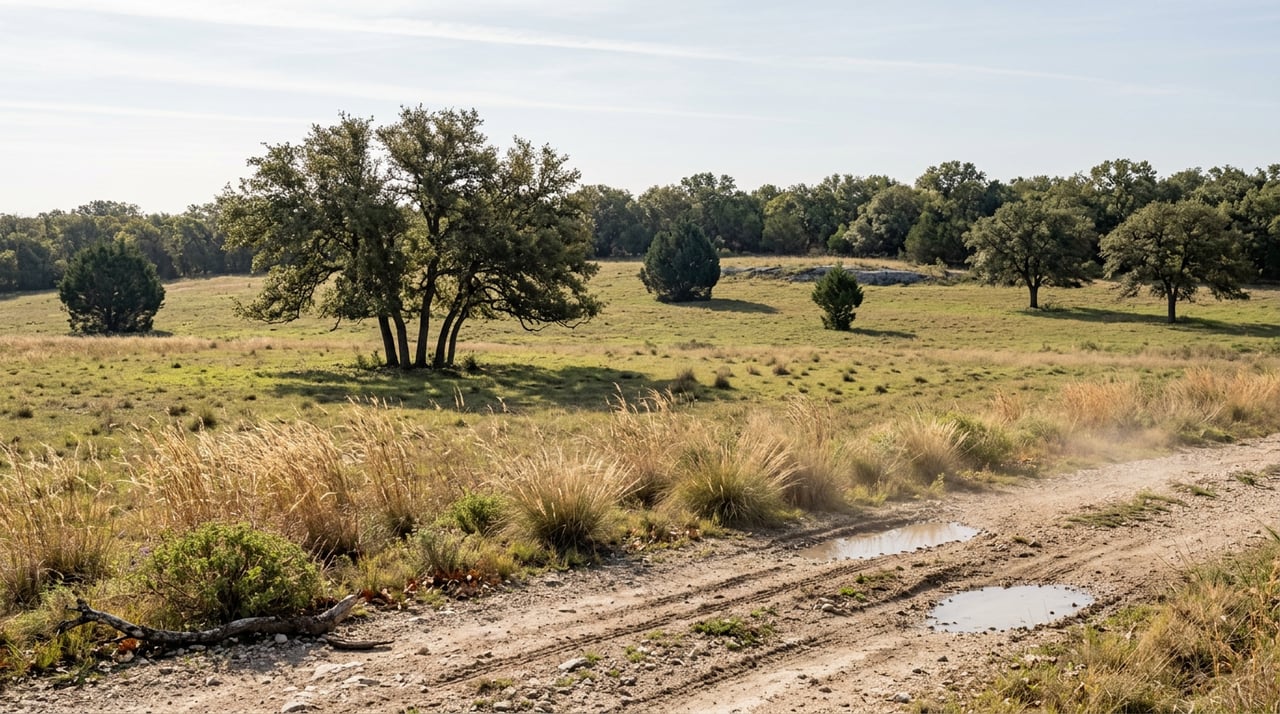
Acreage often brings more freedom, more separation, and more room to shape the property around your goals. It also adds a level of stewardship that goes beyond caring for the house itself.
Texas A&M AgriLife Extension materials on ranch and rangeland management cover topics like soil sampling, fence law, and disaster preparedness. Those resources reflect a key reality of land ownership in Central Texas: the property itself needs ongoing attention.
If you buy acreage, you may be managing fencing, drainage, vegetation, access, and wildlife impacts in addition to routine home upkeep. AgriLife’s feral hog guidance also notes that hogs can damage native wildlife, natural resources, agricultural operations, and human habitations.
In practical terms, acreage ownership can feel less like maintaining a house and more like managing a living property. For some buyers, that is exactly the appeal. For others, it is more commitment than they want.
One of the most common reasons buyers pursue acreage is privacy. Larger parcels typically create more separation between homes, which can give you a quieter and more open day-to-day feel.
That benefit is not a formal rule, but it is a practical result of parcel size and lower-density land use. If space, views, and breathing room rank high on your wish list, acreage may line up better with how you want to live.
If you are considering acreage near San Antonio, private systems should move to the top of your diligence list. These systems can work well, but they come with owner responsibility.
Bexar County says OSSFs account for about 25% of wastewater treatment in the county. TCEQ also notes that owners should consider ongoing maintenance costs, routine repairs, replacement parts, and permit requirements, and that local permitting programs can be more stringent than state minimums.
Before you buy, ask for clear documentation and history. A few key items can help you understand whether the system has been maintained and whether any follow-up may be needed.
Private wells also need careful review. The Texas Water Development Board says private-well owners generally do not register unless a groundwater conservation district applies, and the state does not regulate private-well water quality, which means the owner is responsible for problems.
That makes recent well reports and water-quality testing important diligence items. If a property relies on a well, you want a clear picture of what you are inheriting before you write an offer.
Many acreage buyers plan to improve the property after closing. You may want to clear land, add a building site, improve access, or make other changes tied to your long-term plans.
In Bexar County, a storm-water quality permit is required when one or more acres of soil are disturbed. If your plans include significant site work, it is smart to ask early whether storm-water quality, floodplain, or subdivision-related permits could apply.
A property can look perfect on first showing and still carry added complexity if your intended use involves land alteration. Early questions can help you avoid surprises and set realistic expectations about cost, timing, and feasibility.
This is especially important if you are buying land for a custom home, expanded outdoor use, or future improvements. The earlier you understand the permit picture, the better.
Financing for acreage or edge-of-town properties is not always identical to financing for a standard suburban home. Loan eligibility can depend on occupancy, appraisal, location, and how the property is configured.
For eligible buyers, USDA’s Single Family Housing Guaranteed Loan Program can be useful for rural acreage. USDA says there is no down payment, no set maximum purchase price or acreage limit as long as the acreage is common for the area, and the loan is based on appraised value rather than purchase price.
USDA also says the home must be in an eligible rural area, the borrower must occupy it as a primary residence, and income requirements apply. Utility connection fees and site-preparation costs can also be included.
If you are looking beyond suburban San Antonio toward more rural property, that can make USDA financing worth discussing early in your search.
VA-backed purchase loans can also be a strong option for qualifying buyers who will live in the home. The VA says no down payment is often possible if the sales price is not higher than appraised value.
If you are military-connected or a veteran, it helps to confirm the property and occupancy rules before you make an offer. That can save time and help you target homes that fit your financing path.
Taxes are another area where suburban and acreage properties can differ, especially once you compare exact location and taxing entities. In Bexar County, property tax rates are set by the taxing jurisdictions.
BCAD also states that Texas has no state property tax and that exemptions are filed at the county appraisal district. For you as a buyer, that means the tax picture can vary depending on the exact property location and the local entities involved.
Two properties that seem similar at first glance can carry different tax implications. That is one reason broad assumptions can be misleading when you are comparing acreage to a suburban neighborhood.
The best approach is to review the property-specific tax picture early so you can compare homes on a more realistic monthly cost basis.
The right choice often depends less on the home itself and more on the kind of ownership experience you want. Both options can be a great fit if they match your priorities.
Acreage usually fits buyers who want room for animals, hobbies, recreation, privacy, views, or a long-term legacy property. It tends to work best when you are comfortable managing land systems in addition to the residence.
In many cases, the real question is this: do you want to own a home, or a home plus a property-management commitment? That distinction helps clarify the tradeoff quickly.
If you are comparing suburban homes and acreage around north San Antonio, a short diligence checklist can keep your search focused and practical.
Near 78232, suburban living usually offers convenience, established utility access, and a simpler maintenance profile. Acreage can offer privacy, room to spread out, and a stronger land-based lifestyle, but it often asks more from you in return.
Neither option is better across the board. The right fit depends on whether you want streamlined ownership or a more hands-on property experience tied to land, systems, and long-term stewardship.
If you are weighing both paths, local guidance matters. The details behind wells, OSSFs, site work, taxes, and property fit can make a big difference once you move beyond the listing photos. When you are ready to talk through the tradeoffs, connect with Shipley Ranches.
Stay up to date on the latest real estate trends.
Ready to buy or sell in the Texas Hill Country? Connect with Jim Banks for expert guidance, strategic marketing, and results-driven representation tailored to your ranch or luxury property.