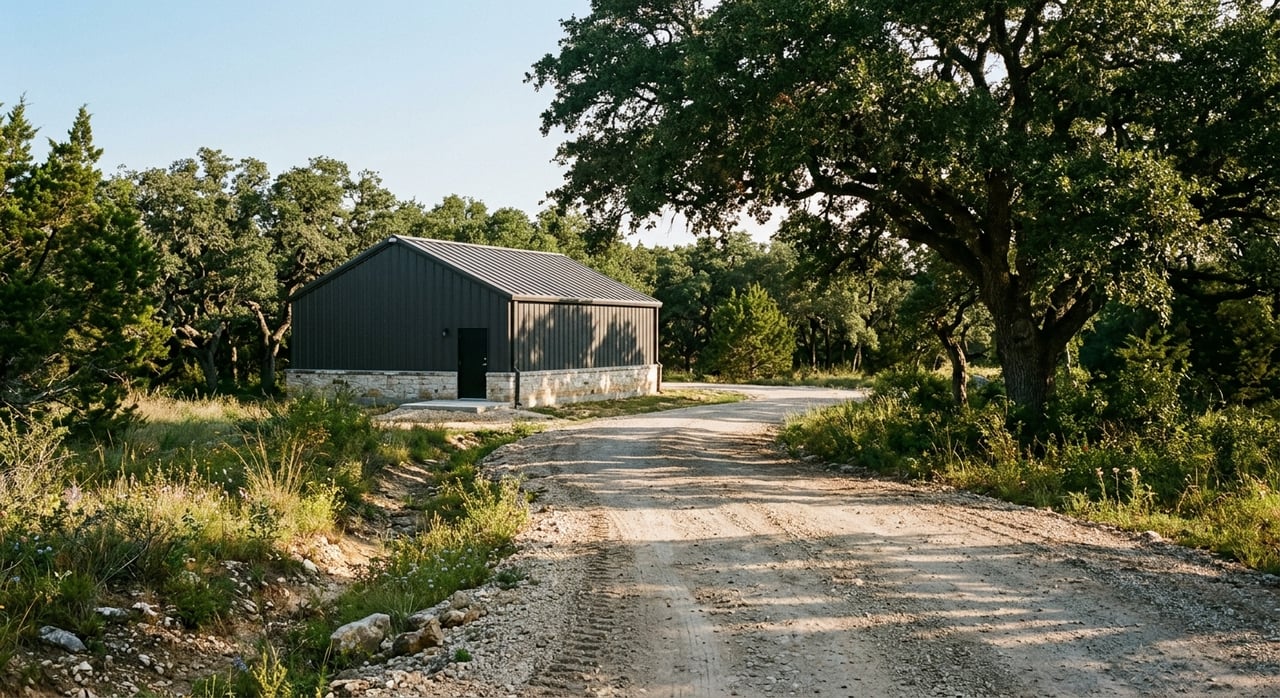
Timing The Sale Of A Lampasas County Ranch Or Acreage
July 9, 2026
July 9, 2026
Wondering when to put your Lampasas County ranch or acreage on the market? It is a smart question, because timing can shape how your property looks, how buyers respond, and how smoothly your sale moves forward. If you want to sell with fewer surprises and stronger positioning, the best answer is usually not one perfect month, but the right mix of property condition, buyer demand, and market context. Let’s dive in.
Lampasas County is not a one-size-fits-all land market. With land uses that include cattle grazing, hay, wheat, sorghum, some pecan groves, and recreation such as hunting and fishing, your buyer pool may include ranch buyers, recreational buyers, homesite shoppers, and mixed-use acreage buyers.
That matters because each buyer type notices different things first. One buyer may focus on pasture condition and water features, while another cares most about access, privacy, improvements, or a future homesite. The best listing timing helps your tract appeal to the buyers most likely to value it.
Recent Texas Rural Land Market reports show the Austin-Waco-Hill Country region, which includes Lampasas County, finished 2025 stronger than it started. The region moved from $7,291 per acre and 947 sales in the first quarter of 2025 to $7,911 per acre and 1,054 sales in the fourth quarter.
That is a healthy sign, but it does not mean every property will sell quickly at any price. The same research noted that elevated interest rates and seller resistance to peak 2022 and 2023 pricing still created friction, especially for properties that were not top-tier in quality or location.
If you are selling now, the takeaway is simple. You want to enter the market with realistic pricing, strong presentation, and a launch date that helps your land compete well.
Lampasas climate patterns help explain why spring and early summer often feel like good listing seasons for land. Average highs climb from 70.9°F in March to 85.7°F in May, then into the 90s by June and July, with May and June also ranking as the wettest months.
For many acreage properties, that can mean greener cover, better-looking ponds or tanks, and easier buyer tours before summer heat becomes intense. If your tract depends on visual appeal, road access, or visible improvements, that spring window may help it show at its best.
Still, spring is not always the right answer. If your fencing, roads, gates, brush clearing, water documentation, or survey work are not ready, rushing to list in a popular season can backfire.
A better question than “What month is best?” is “When will my property show its best physical condition to the right buyer?” That is especially true in Lampasas County, where land buyers may be looking for very different outcomes.
For example, a smaller tract marketed as a homesite or recreational property may benefit from clean access, a mowed entrance, and visible improvements. A larger ranch may need more emphasis on roads, fencing, water sources, and the ability to tour the land clearly and comfortably.
Timing should support the story your property needs to tell. When the land is visually strong and the key facts are easy to verify, buyers tend to move with more confidence.
Smaller parcels are an important part of today’s rural land market. Texas Rural Land Market research shows that small tracts now account for more than half of annual rural-land sales statewide by number, and Region 7 small-tract prices reached $17,529 per acre in the fourth quarter of 2025.
Small tracts often bring higher per-acre prices because more buyers can compete for them, and fixed-cost improvements such as roads, tanks, houses, and barns are spread across fewer acres. That means presentation can matter even more if you are selling a smaller acreage tract in Lampasas County.
If your property falls into that category, timing the sale around curb appeal, road condition, and visible usability may be just as important as the broader market season. Buyers in this segment often compare several options quickly, so first impressions carry weight.
On rural property, access is not a minor detail. It is often one of the first practical questions a buyer asks, and unclear access can slow a deal before it gets traction.
Texas Department of Transportation rules govern access connections and frontage-road access based on safety and operational standards. For your sale, the practical lesson is that clear legal access, a usable driveway, and obvious ingress and egress can reduce friction and help the property show better.
If access is confusing, limited, or still being sorted out, it may be worth delaying your launch until that issue is clearly documented. A strong listing date is one where buyers can understand how they get in and out of the property without guesswork.
Water questions are common on ranches and acreage tracts, and they can shape the timing of your sale. If your property has a well, pond, tank, or any uncertainty around water-related rights, it is wise to clarify what you can before the listing goes live.
Texas now also has a Seller’s Disclosure about Groundwater and Surface Water Rights that became effective July 1, 2026. Buyers may expect more clarity around water rights than they did in the past, so being prepared matters.
Wastewater can be just as important. The Texas Commission on Environmental Quality says permits are required for on-site sewage facilities, including septic systems, and a permit and approved plan are required to construct, alter, repair, extend, and operate an OSSF.
If septic paperwork is missing or questions remain about what is permitted, buyers may hesitate. In many cases, the better move is to handle those details before your property hits the market.
Boundary confusion can derail even a promising land sale. Parcel maps and public parcel data can be useful reference points, but they are not survey-grade.
That is why a current survey and clean boundary information can be so valuable when timing your listing. If a serious buyer appears, you do not want the sale to stall while everyone tries to figure out where the actual lines are.
The same goes for easements and known access limitations. If those items are organized up front, your property is easier to evaluate and easier to trust.
In Texas, mineral ownership is a major due-diligence topic. The Railroad Commission explains that the surface and mineral estates can be severed, and if a seller does not expressly reserve minerals or limit the transfer to surface only, the mineral estate generally transfers with the surface.
That is a detail you do not want to sort out in the middle of negotiations. If mineral ownership is unclear, or if you plan to reserve minerals, timing the sale after those questions are clarified can help prevent delays and misunderstandings.
For many sellers, this is one of the most important reasons not to rush to market. A well-timed listing is not just about weather. It is also about being ready for real buyer scrutiny.
Before choosing your list date, it helps to make sure the property is as show-ready and document-ready as possible. In Lampasas County, that often includes both physical prep and paperwork prep.
Consider gathering or reviewing these items before you go live:
When these pieces are in place, buyers can get answers faster. That can make your listing feel more credible from day one.
Even perfect timing cannot overcome pricing that misses the market. Regional land data suggests the market has stabilized at a higher level, but sellers who remain anchored to peak-era pricing may still face longer market times when the property is not clearly superior.
That does not mean you should undersell your ranch or acreage. It means your timing strategy should work together with pricing, presentation, and buyer expectations.
If your tract has standout features such as water, improvements, views, or strong access, those strengths should be reflected in how the property is positioned. If it still needs cleanup or documentation, a short delay before listing may protect your value better than launching too early.
For most Lampasas County sellers, the best time to sell is when three things line up. Your property is showing well, your due-diligence items are reasonably organized, and the market is active enough to support strong buyer interest.
That may be spring for one tract and later for another. The right timing depends on the land itself, the likely buyer, and how prepared you are when the listing goes live.
A ranch or acreage sale deserves more than a generic calendar rule. If you want a strategy built around your property’s strengths, Shipley Ranches can help you prepare, position, and time your sale with the local insight Lampasas County land deserves.
Stay up to date on the latest real estate trends.



Ready to buy or sell in the Texas Hill Country? Connect with Jim Banks for expert guidance, strategic marketing, and results-driven representation tailored to your ranch or luxury property.